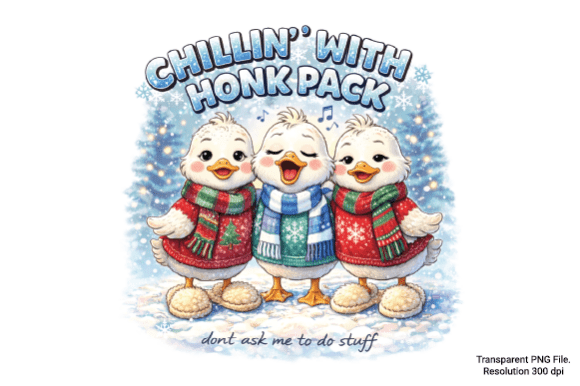
Chillin’ with Honk Pack Duck PNG
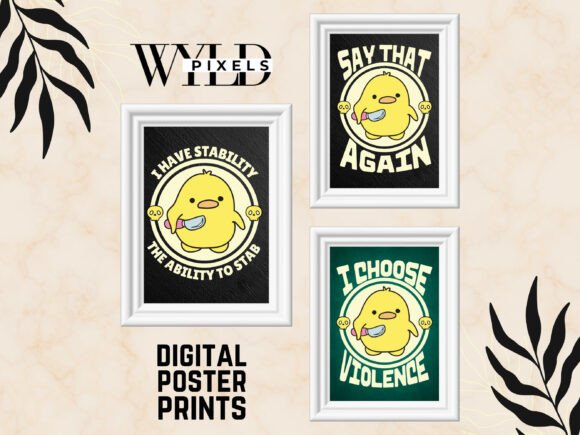
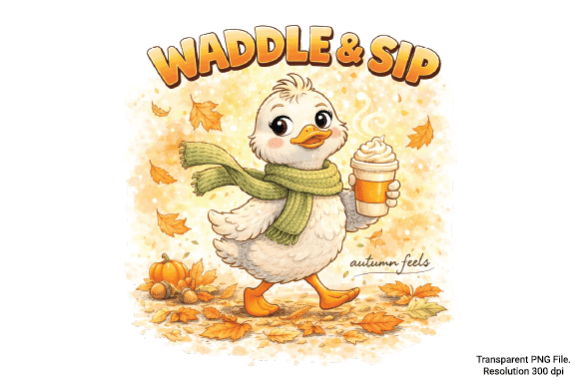
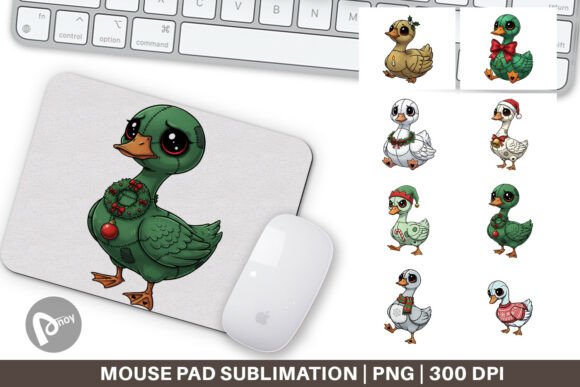
When you build a product line around print-on-demand or handmade gifts, the artwork you choose directly affects how efficiently your workflow runs and how consistently your output resonates with buyers. The Chillin’ with Honk Pack Duck PNG is not just another cute illustration—it’s a versatile design asset built to fit into real production pipelines for sublimation, DTG, DTF, sticker making, and digital publishing. Each file features an adorable duck with expressive poses, coffee moments, gaming themes, lazy-day vibes, seasonal scenes, and clever puns. But beyond the surface charm, this asset was designed to integrate smoothly into the practical tasks of preparing, printing, listing, and selling.
Where This Artwork Belongs in Your Workflow
Whether you are a POD seller managing dozens of products per week, a crafter making one-of-a-kind gifts, or a digital product creator building KDP interiors, the Honk Pack sits at an early but critical point: the design selection and preparation stage. Getting this stage right reduces rework later—misaligned prints, color mismatches, or poor file handling can derail a whole batch. The 300 DPI transparent PNG format means you can open the file in your preferred editing software and immediately assess how it fits your blank product.
Think of the image as a ready-to-use element that needs minimal adjustment. The soft watercolor texture and vintage warmth work well on both light and dark surfaces, but you may want to run quick tests on mockups before moving to production. This is where the integration of design and process becomes clear: a well-prepared file saves you from troubleshooting during the pressing or printing phase.
Before the Project: Planning with Intent
Before you even open a sublimation printer or order a batch of mugs, use the Honk Pack to define your product range. Sort the design variations—coffee duck, gaming duck, lazy day duck, seasonal duck—and decide which ones align with specific customer segments. For example, the coffee-themed duck naturally fits a “morning mug” collection, while the gaming duck appeals to a younger, gamer-oriented audience. The retired folks scene works for gift sets aimed at empty-nesters. This upfront categorization streamlines your workflow: you can batch similar products together and reuse mockup templates.
Prepare your file organization at this stage. Create folders named after each theme or product type. Rename the PNGs with clear conventions, such as “honk-pack-coffee-mug.png” or “honk-pack-gaming-tshirt.png”. Consistent naming reduces time spent searching for assets later and prevents accidental use of the wrong design on a product. If you work with a team or outsource printing, clear filenames also reduce the risk of errors in production.
During the Production: Integration with Tools and Methods
When you move to the actual printing or pressing, the Honk Pack integrates with several common production tools:
- Sublimation printing: The transparent background allows you to layer the duck onto any substrate without extra masking. The 300 DPI resolution ensures sharp edges on fabric, ceramics, and polyester blends. Run a color test on a scrap piece of fabric to see how the watercolor tones render—slight adjustments in saturation or brightness might be needed depending on your printer profile.
- DTG and DTF transfers: Because the design has clean outlines and a cottagecore feel, it works well on lighter garments. For dark shirts, you can add a white underbase or use the transparent PNG directly if your RIP software handles it. The soft texture blends nicely with the fabric grain.
- Sticker making: Import the PNG into your cutting software—Silhouette, Cricut, or laser cutter. The transparent background simplifies the tracing process. If you plan to sell sticker packs, group multiple duck expressions into a single file to maximize sheet output.
- Digital design software: Canva, Adobe Photoshop, Affinity Designer, or GIMP all read the PNG transparency without issues. You can resize, rotate, or combine the duck with other elements. The watercolor style pairs well with botanical borders, retro frames, or simple typography.
One practical observation: the vintage warmth of the artwork may appear slightly different on matte versus glossy surfaces. For mugs, a gloss finish tends to enrich the color depth, while matte paper or fabric gives a softer, more muted look. Factor this into your quality control checks. If you produce a batch of pillows or aprons, take one finished item and hold it next to the digital file to confirm the aesthetic intent is preserved.
After Production: Listing, Packaging, and Long-Term Use
Once your item is printed and ready, the Honk Pack still plays a role. When photographing or creating mockups for your online store, the duck’s playful expressions and pun quotes function as subtle selling points. Use the original PNG file to generate lifestyle mockups—place the duck on a mug next to a coffee cup, or on a t-shirt with a cozy background. Consistent visual presentation helps your shop look professional and builds trust with buyers.
For sellers on POD platforms like Printful, Redbubble, or Etsy, the allowed usage of the file covers most commercial applications, but always double-check the specific license terms. The transparent format also means you can easily create digital mockups using tools like Placeit or Smartmockups without having to remove backgrounds manually—a small time savings that accumulates across dozens of products.
Long-term, consider bundling these designs into themed collections. For example, create a “Cozy Autumn” bundle that includes the duck with scarves, pumpkins, and warm drinks. By keeping the original high-res PNGs organized and backed up, you can reapply them to new products as trends shift. Seasonal updates (winter, Halloween, Valentine’s) are straightforward when the base artwork already exists. You can also mix the duck with other graphic styles—it is flexible enough to pair with handwritten fonts, textured backgrounds, or geometric elements without clashing.
Workflow Examples: From Start to Finished Product
Here are two scenarios that illustrate how the Honk Pack integrates into real routines.
POD seller launching a coffee-themed line
- Preparation: Download the coffee duck design. Open in Photoshop and add a quote like “Wake Up & Quack” in a serif font. Save a version for mugs (square format) and one for t-shirts (centered, slightly enlarged).
- Mockups: Use the transparent PNG in a mug mockup template. Adjust the duck’s size so it wraps naturally around the curve. Repeat for t-shirt, tote bag, and apron. Create a color variation for each base product (white, light gray, cream).
- Listing: Upload the mockup images and final product photos. Write descriptions that highlight the duck’s expression and the item’s use for coffee lovers. Price consistently across all items in the line.
- Quality check: Order a sample mug. When it arrives, compare the printed duck to the digital mockup—check color saturation and alignment. If satisfied, set the line to live production.
Craft hobbyist making holiday gift sets
- Plan: Choose the seasonal duck scene (e.g., duck wearing a scarf, holding a hot cocoa). Decide on gift items: one mug, one coaster set, one small pillow, and a greeting card.
- Prepare files: Resize the PNG for each product. For the coaster, crop tightly. For the greeting card, leave room for text inside. Use the transparent background to layer with a festive pattern if desired.
- Print: Use a home sublimation printer for the mug and pillow. For the coaster, use printable ceramic tiles. For the card, print on matte paper using inkjet with a white border. Press each item according to standard settings for the material.
- Assemble & wrap: Package the items together with tissue paper and a tag that matches the duck’s color palette. Take photos for social media. Note which seasonal designs sell fastest so you can prep earlier next year.
Usability and Compatibility Considerations
The Chillin’ with Honk Pack Duck PNG was built to be a plug-and-play asset, but a few practical points ensure you get the most out of it:
- Resolution: At 300 DPI, it is suitable for both small stickers (2” x 2”) and larger prints (up to A4 size without significant loss). For wall art or large poster prints, you may need to upscale with AI tools—but for typical POD items, it’s ready as-is.
- Transparency: The PNG background is truly transparent, which means you can place it on any colored surface. However, if you print on transparent acetate or glass, you may need to add a white backing for opacity. Always check your printer’s transparency handling.
- File size: Each design is typically a few MB, which is small enough to upload quickly but retains enough detail for commercial use. Store original files separately from working copies—this prevents accidental compression loss.
- Compatibility with cutting machines: The artwork has clean contours, so tracing in Cricut Design Space or Silhouette Studio usually requires minimal cleanup. If the watercolor edges cause multiple small cut paths, use a smoothing or simplify function to reduce nodes. Test a sticker cut on plain paper before cutting the actual vinyl.
Organizational Best Practices for Long-Term Use
If you plan to use the Honk Pack across multiple seasons and products, develop a folder system like:
- Root folder: “Duck Designs - Honk Pack”
- Subfolders: “Coffee Vibes”, “Gaming Moments”, “Lazy Days”, “Seasonal Scenes”, “Pun Quotes”
- Inside each, name files by intended product: “mug.png”, “t-shirt.png”, “sticker-sheet.png”
- Keep a master file with all designs combined for quick browsing.
- Add a “Usage Notes” text file with color profiles, recommended press settings (time/temperature), and any platform-specific terms.
This structure supports batch processing. When you launch a new product line, you just duplicate the folder, rename, and substitute designs—your workflow stays linear and predictable.
Quality Control and Consistency
Because the Honk Pack features a uniform art style—kawaii cottagecore with soft watercolor—all designs will look cohesive if you apply the same finishing process. However, always check each image before final production. The transparent PNG may look identical on screen but could render differently on fabric that absorbs ink differently. Make a reference card with small prints of each duck on your most common substrates (e.g., cotton, polyester, ceramic, paper). Keep this card near your workstation for quick comparison when troubleshooting.
Also, note the humor element. The pun quotes and expressions are a major part of the appeal. When you list items, avoid over-editing the text or adding too many competing elements. Let the duck’s personality drive the product. For t-shirts, a simple centered placement with no additional text often works best. For mugs, the duck can wrap around the side, leaving the front for a short quote. This balance ensures the design remains the hero.
Finally, update your product listings with fresh versions as needed. The Honk Pack is timeless enough to stay relevant for years, but swapping in new seasonal ducks or pairing them with trending color palettes (like sage green, dusty rose, or navy) keeps your shop from looking stagnant. Small updates every quarter maintain customer interest without requiring a full redesign of your workflow.