Quack Mode on Duck PNG: A Playful, Cozy Design for Print-on-Demand and Craft Projects
If you spend time browsing sublimation designs or printable artwork for print-on-demand (POD) products, you may have stumbled across a style that feels simultaneously cozy, humorous, and just a little bit mischievous. That's the essence of Quack Mode on Duck PNG, a design concept that captures an adorable duck in relatable everyday moments — sipping coffee, gaming, lounging on lazy days, celebrating seasonal scenes, or delivering a witty pun. But is this kind of PNG file the right fit for your product line, or should you look elsewhere? Let's walk through what makes it distinct, how it compares to other design approaches, and when it might — or might not — be the best choice for your next project.
What Makes Quack Mode on Duck PNG Distinct?
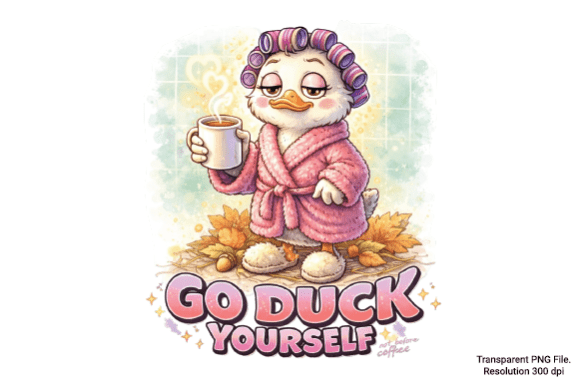
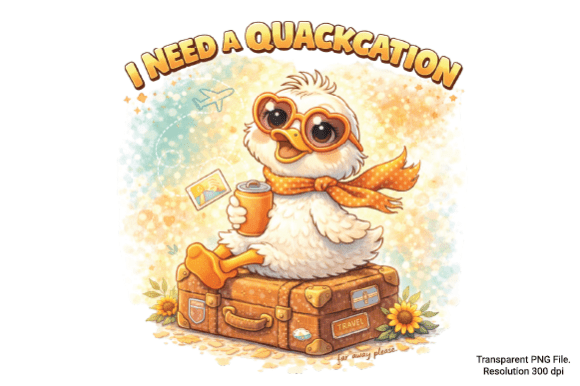
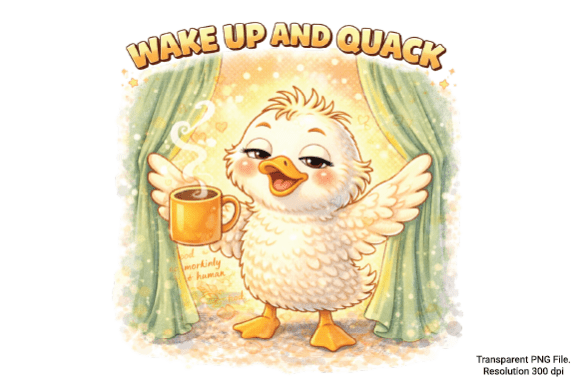
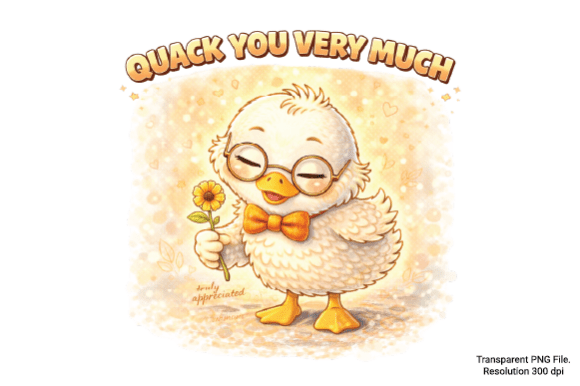
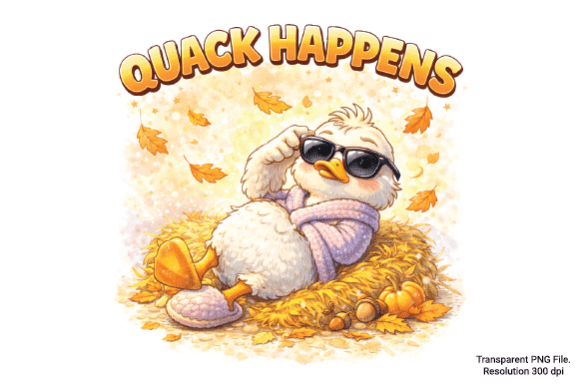
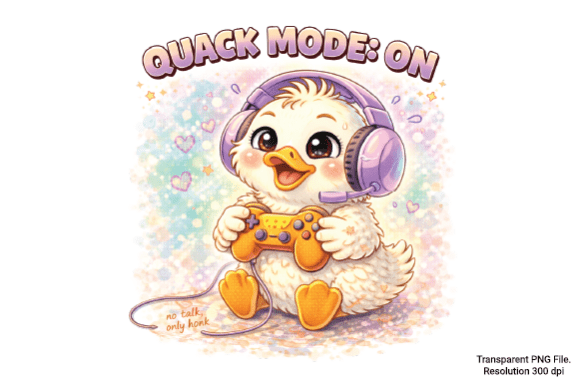
At its core, Quack Mode on Duck PNG is not just a single image — it's a recurring character and mood that combines kawaii cuteness with cottagecore warmth and a soft watercolor texture. The duck appears in various scenarios, each evoking a specific feeling: coffee vibes for the caffeine crowd, gaming moments for digital natives, lazy day moods for those embracing rest, and seasonal scenes that shift with holidays or weather. Punny quotes add an extra layer of humor, making the design feel like a friendly inside joke between creator and buyer.
What sets this style apart from many standard sublimation designs is its deliberate texture and warmth. The watercolor effect gives the edges a soft, hand-painted feel rather than a sharp, vector-like crispness. The vintage warmth in the color palette — think muted yellows, soft browns, dusty pinks, and gentle greens — makes the artwork feel nostalgic and comforting. This is not a neon, hyper-saturated graphic; it's something that might look at home on a worn-in apron or a favorite mug.
The files are provided as 300 DPI PNGs with transparent backgrounds, a format that is broadly compatible with sublimation, DTF, DTG, and sticker-making workflows. Because the background is transparent, you can layer the duck onto both light and dark surfaces, though the watercolor style tends to pop especially well on cream, tan, pastel, or soft black substrates.
How Does Quack Mode Compare with Other Sublimation Styles?
When you're evaluating a design like Quack Mode on Duck PNG, it helps to place it alongside other common approaches in the POD and craft space. One major alternative is clean, vector-style clip art — think flat colors, sharp outlines, no texture. Vector graphics are excellent for scaling to any size without loss of quality, and they work well on products that need bold, simple graphics (like stickers or signs). However, they can sometimes feel impersonal or sterile for projects aiming at "cozy" or "homey" vibes. The watercolor texture of Quack Mode brings a handmade, artistic quality that vectors lack.
Another common option is photographic-style sublimation designs. Photos can be highly realistic and detailed, but they often require careful color management and may not transfer cleanly onto certain fabrics or surfaces. They also tend to be less forgiving on dark materials. The duck png, by contrast, uses a stylized illustration that translates predictably across different media.
A third category is other illustrated character designs — perhaps a cat, a sloth, or a bear with similar cozy or funny themes. The duck has a particular charm: ducks are universally recognized as gentle, slightly goofy, and endearing. They don't carry the same cultural baggage as, say, a grumpy cat or an overused unicorn. For audiences that appreciate wordplay and low-key humor, a duck delivering a coffee pun feels fresh and specific without being polarizing.
Strengths of Quack Mode on Duck PNG for POD and Crafting
Let's look at where this design truly shines. One of the biggest strengths is its versatility across product types. Because the PNG is high-resolution (300 DPI) and transparent, it can be dropped into a mockup for a t-shirt, hoodie, mug, tumbler, tote bag, apron, pillow, greeting card, sticker, or even a journal cover. The same design can serve a wide product range, which is especially valuable for POD sellers who want to maintain a cohesive aesthetic across their store.
The emotional appeal is another major plus. The duck's expressions and scenarios tap into relatable adult experiences — needing coffee, procrastinating with gaming, embracing a lazy Sunday, or chuckling at a pun. These are not juvenile themes; they resonate with adults aged 20-50 who appreciate self-deprecating humor and comfort. For gifts, this design hits a sweet spot: it's cute enough to feel affectionate, but funny enough not to be saccharine. Duck lovers, coffee addicts, gamers, and even retired folks who enjoy a cozy home vibe all fall into the target audience.
From a practical standpoint, the watercolor texture also helps disguise minor printing imperfections. Unlike solid flat-color designs where any uneven transfer is obvious, the soft edges and gradient-like washes of a watercolor illustration can mask subtle inconsistencies in heat press application or fabric texture. This makes it a more forgiving option for beginners or for production environments with variable conditions.
Tradeoffs and Limitations to Consider
No single design file is perfect for every situation, and Quack Mode on Duck PNG has its own tradeoffs. The most notable is that you receive one PNG file — one design, one pose, one scene. If you need a set of multiple duck variations (for example, a whole series of seasonal ducks or different activities), you'll need to purchase separate files or a bundle. For sellers who want to build an entire product line around a single character, investing in multiple designs may be necessary to maintain variety and avoid repetition.
The watercolor style, while charming, may not suit every brand aesthetic. If your shop leans toward sleek, modern, minimalist, or high-contrast looks, this duck may feel too soft or rustic. It's also worth noting that while the transparent background works for many applications, sublimation printing on white or light polyester fabrics will showcase the design best. On very dark or saturated substrates, the watercolor layers can appear muted unless you adjust for a white underbase or use a suitable transfer method like DTF.
Another consideration is scalability. Because this is a raster PNG (pixel-based) rather than a vector (path-based), enlarging it beyond its original dimensions can cause pixelation. At 300 DPI, the file is likely sized for standard products like t-shirts (around 12x12 inches or 16x20 inches depending on the specific file), but if you need to print it on a large banner or a duvet cover, you may need to contact the seller for a larger version or use upscaling software carefully.
When Is Quack Mode the Right Choice?
This design is an excellent fit if you are creating products for a target audience that values cozy, playful, and humorous aesthetics. Think of items for coffee lovers who appreciate a cheeky morning companion, or gifts for friends who spend weekends in pajamas with a controller in hand. The duck also works well for seasonal merchandise — a pumpkin-spice duck in autumn, a scarf-wearing duck in winter, or a gardening duck in spring — if you have multiple designs in a series.
For POD sellers, this style can help differentiate your shop from the countless generic motivational quote or minimalist geometric designs that flood the market. A distinct character with personality invites repeat buyers who become attached to the "duck universe." For handmade crafters, the file's print-ready format means less time fiddling with design software and more time pressing products.
If you are creating a small batch of personalized gifts — for a duck-obsessed friend, a coworker who loves coffee puns, or a family member with a dry sense of humor — a single design may be all you need. The emotional resonance of the artwork can make your gift feel thoughtful and unique without requiring a full product line.
When You Might Want a Different Option
On the flip side, you may need to consider other options if your project requires a more professional or corporate look. A watercolor duck with a punny quote does not suit a formal brand identity, a technical product, or a workplace gift that must remain neutral. Similarly, if you are designing for an audience that prefers realistic wildlife photography or sophisticated botanical prints, this style will feel out of place.
If you need maximum flexibility in scaling and editing — such as changing the color of the duck, removing the quote, or combining multiple elements — a vector file (SVG or AI) would be more practical. Vectors allow you to resize infinitely, edit individual shapes, and recolors with ease. The PNG format is a finished product, not a layered source file, so customization is limited.
For large-scale production with strict consistency, you may also want to test the design on your specific substrates before committing to bulk orders. While watercolor textures are forgiving, they can vary in appearance depending on the printer, paper, fabric, heat press temperature, and pressure. Running a few test prints is always wise.
Practical Decision Factors to Weigh
Here are some concrete questions to help you decide whether a Quack Mode on Duck PNG (or a similar design) fits your needs:
- Audience match: Does your customer base or gift recipient enjoy cozy, kawaii, cottagecore, or humorous themes? If yes, this style is likely a hit.
- Product type: Are you printing on items that suit a soft, illustrated look (mugs, tote bags, pillows, casual apparel)? Or do you need something for formal settings?
- Scope of use: Do you need one design for a single project, or multiple variations for a full collection? A single PNG is great for the former; a bundle or vector set may be better for the latter.
- Technical comfort: Are you comfortable working with raster files at fixed resolution, or do you need editable vectors? PNGs are easier to use for quick printing; vectors offer more control.
- Brand consistency: Does the watercolor, vintage, humorous aesthetic align with your existing shop or portfolio? If you already sell modern minimalist items, introducing a cute duck may feel disjointed unless you create a dedicated collection.
Real-World Use Cases and Examples
Imagine you run a small POD shop specializing in gifts for remote workers. A design titled "Quack Mode" — featuring a duck with headphones and a coffee mug, with the quote "Activating Quack Mode" — could be printed on a mouse pad, a travel mug, and a hoodie. The same file creates a coordinated gift set that appeals to people who work from home and appreciate a bit of levity in their workspace.
Alternatively, picture a crafter preparing a holiday gift for a friend who is a gamer. The duck sitting cross-legged with a controller and the text "Press Start to Quack" becomes an inside joke that shows you know the person's interests. The transparent background makes it easy to layer onto a custom t-shirt or a canvas tote without needing advanced editing skills.
For seasonal markets, the duck can appear in a pumpkin patch setting with fall leaves and a pun like "Just here for the pump-quack." Because the artwork is print-ready, a vendor could quickly produce a run of mugs and coasters for a local craft fair, capitalizing on the cozy autumn trend without hiring a graphic designer.
Making an Informed Choice
Ultimately, the decision to use a specific PNG design comes down to how well it fits your audience, your product range, and your production process. Quack Mode on Duck PNG offers a distinct blend of cozy charm and playful humor that fills a specific niche — not too childish, not too serious, just relatable enough to earn a smile. Its watercolor texture and kawaii cottagecore aesthetic set it apart from cleaner vector art and more generic clip art, while its high resolution and transparent background make it practical for a wide variety of print methods.
If you value a design that feels personal and emotionally warm, and if your customers appreciate characters with personality, this style is worth exploring. On the other hand, if you need maximum scalability, extensive customization, or a more polished corporate look, you'll want to consider raster alternatives or different thematic directions. By weighing the tradeoffs and matching the design to your specific context, you can choose a file that supports your creative goals and resonates with the people you're creating for — one quack at a time.